If you’ve ever started a remodel thinking “How hard can it be?”… only to find yourself knee-deep in dust, delays, and decisions — you’re not alone.
Home renovations are exciting, but they can also be one of the most stressful projects a homeowner takes on. Between budgeting, timelines, selections, and contractors, it’s easy to feel overwhelmed before demo day even begins.
The good news? With the right preparation and expectations, your remodel can be a rewarding, organized, and even enjoyable experience.
Here’s a step-by-step guide to help you plan your project like a pro — minus the stress.
1. Begin With a Clear Vision (and a Little Realism)
Every successful remodel starts with clarity.
Before you dive into Pinterest boards or showroom visits, take a step back and ask yourself why you’re remodeling.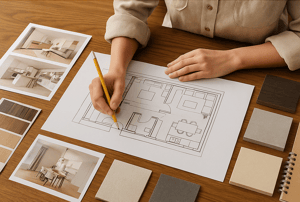
Are you expanding for a growing family? Updating an outdated space? Preparing your home for resale?
Knowing your “why” will shape every other decision — from layout to materials to budget.
Pro tip: Keep inspiration simple. Save 5–10 photos that reflect what you actually want to live in — not just what looks pretty online.
If you’re feeling scattered, tools like the Remodel Ready Workbook are a great way to gather your ideas, jot down priorities, and turn inspiration into a real plan.
2. Build a Budget That Matches Your Vision
 Here’s a truth most contractors won’t tell you: your budget drives the design, not the other way around.
When you know your financial comfort zone, it’s much easier to make confident decisions. A thoughtful contractor will help you understand realistic pricing based on your space, finishes, and scope.
Don’t forget to include a contingency fund (10–15%) for the “unknowns.”
Hidden plumbing, structural surprises, or mid-project changes happen — even in well-planned remodels.
Building with a buffer means fewer headaches later.
3. Set a Timeline — Then Stay Flexible
Even the best-planned remodels have moving parts.
Materials get delayed, inspectors reschedule, and weather can cause hiccups.
That’s why flexibility is key. A solid schedule should include both the overall timeline and built-in cushion time.
Understanding the general order of operations — demo, framing, electrical, plumbing, drywall, paint, and finishing — will help you track progress without unnecessary stress.
Tip: Write down your ideal “completion goal,” then allow a 10–15% buffer.
You’ll be amazed how much calmer the process feels when you expect the unexpected.
4. Choose the Right Team (and Communicate Often)
Your contractor or design-build team can make or break your remodeling experience.
The best remodels happen when everyone communicates clearly — from the homeowner to the project manager to the trades on-site.
Look for professionals who:
-
Provide detailed proposals and timelines
-
Offer clear channels of communication (like daily progress updates or weekly check-ins)
-
Respect your budget and your home
Don’t be afraid to ask questions before signing anything. A contractor who’s transparent early on is far more likely to stay that way once the project starts.
5. Make Selections Early — and Save Yourself the Panic
One of the biggest stress points for homeowners comes from last-minute decisions. Cabinet finishes, tiles, and fixtures often have longer lead times than expected.
Choosing your materials early ensures everything is ready when your project reaches that phase — preventing expensive delays.
Here’s a quick checklist to finalize before demo day:
✅ Cabinetry and layout
✅ Flooring and tile
✅ Countertops
✅ Plumbing fixtures
✅ Lighting and hardware
✅ Paint colors
If your remodel involves custom work, confirm those orders even earlier. Nothing kills project momentum faster than waiting on a sink or tile shipment.
6. Expect a Few Surprises (and Know They’re Normal)
Even with the most detailed planning, surprises can pop up — a pipe behind the wall, a structural beam that needs reinforcement, or an item that’s discontinued.
The key is to approach these moments calmly and with perspective.
A good contractor will explain what’s happening, offer solutions, and keep you informed.
Try to view these as adjustments, not setbacks — each one brings you closer to a stronger, safer, more beautiful home.
7. Keep Your Eyes on the Finish Line
There’s a moment in every remodel where it feels like it will never end — dust everywhere, walls half-painted, and a dozen small details left to go.
That’s normal. It’s the home stretch.
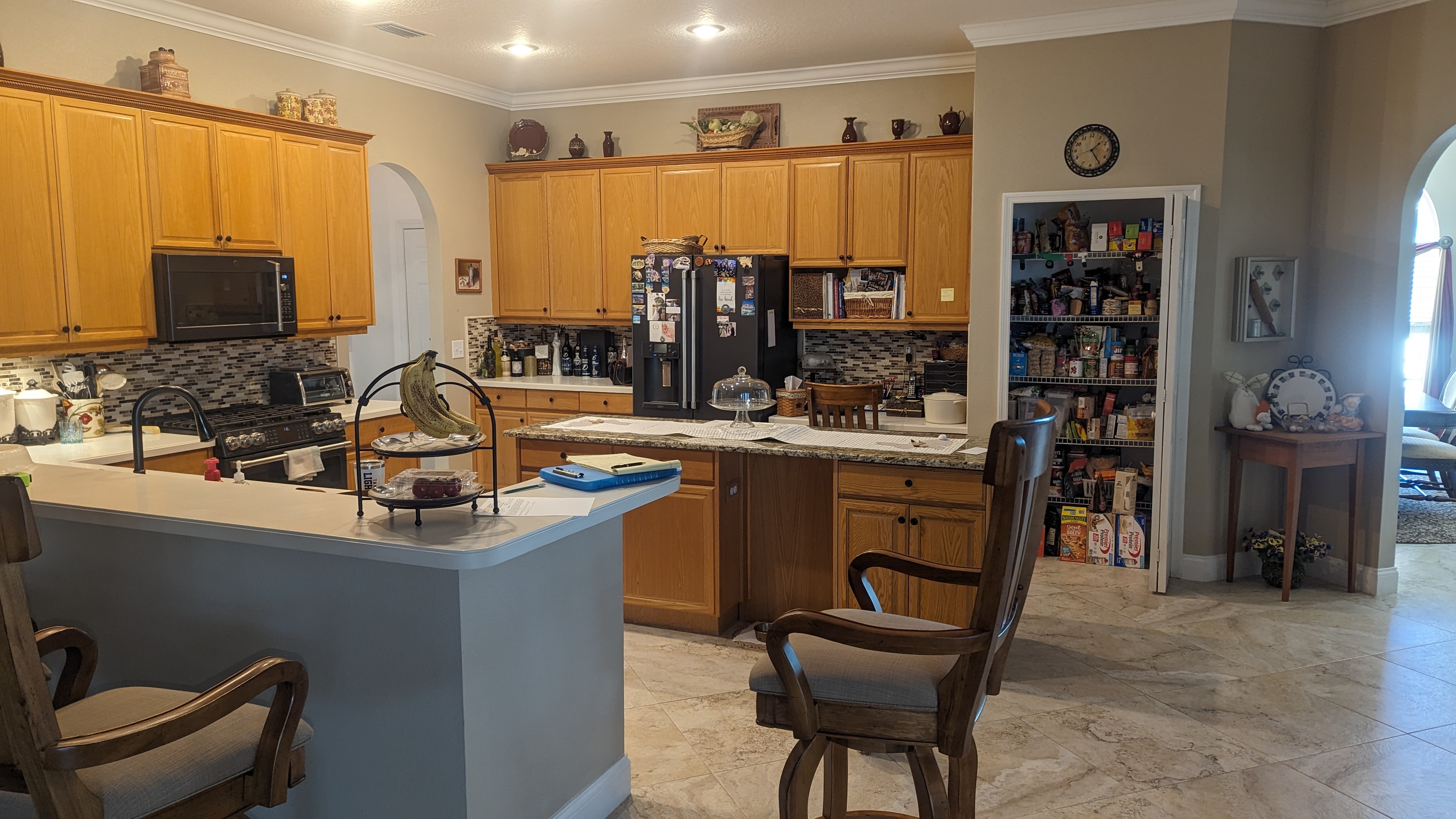
When frustration sets in, revisit your “why.” Look at your design boards or your plans. Visualize the space finished — the dinner parties, the quiet mornings, the feeling of walking into your dream kitchen or bath.
The transformation is worth it.
.png)
.png)
Final Thoughts
Planning a remodel doesn’t have to be overwhelming — it just needs the right structure, communication, and mindset.
Take your time up front, keep your goals realistic, and surround yourself with a team that listens and cares.
And if you’d like a little extra help organizing it all, download our free Remodel Ready Workbook — it’s designed to help you map out your budget, vision, and timeline so you can start your project with confidence.
Because the goal isn’t just to remodel your home… it’s to actually enjoy the process.