Florida is paradise… until the climate starts taking it out on your home.
If you live in Tampa, Clearwater, St. Pete, Palm Harbor, or anywhere along the Gulf Coast, you’ve probably seen it firsthand:
-
Cabinets that swell or warp
-
Floors that cup or buckle
-
Doors that don’t close in summer
-
Hardware corroding unexpectedly
-
Paint fading or cracking
-
Mold showing up in warm or damp corners
-
Outdoor materials deteriorating far faster than expected
Most homeowners assume this is just “Florida life.”
But with the right material choices and remodel planning, it doesn’t have to be.
This guide breaks down the essentials of Florida-proof design—the construction and design choices that keep your home looking beautiful, functioning well, and lasting longer in Florida’s heat, humidity, UV exposure, and salty air.
Why Florida Remodels Need Their Own Rulebook
Florida’s environment is unlike anywhere else in the country, and generic remodeling advice doesn’t hold up here.
These are the four biggest climate stressors every homeowner must consider:
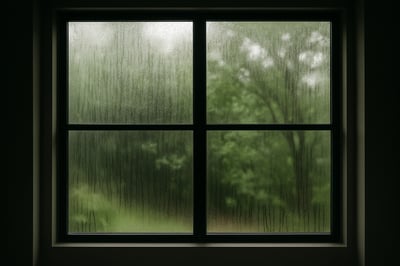
1. High Humidity (All Year Long)
Humidity is Florida’s #1 silent material destroyer. It leads to:
-
Swelling and warping wood
-
Paint blistering
-
Floors cupping
-
Mold growth
-
Cabinet boxes expanding and contracting
Humidity affects nearly every surface inside a home.
2. Salt Air (Even Miles Inland)
Homes within 15–20 miles of the coast experience measurable salt exposure—whether you feel it or not.
Salt acts like sandpaper + acid over time, corroding: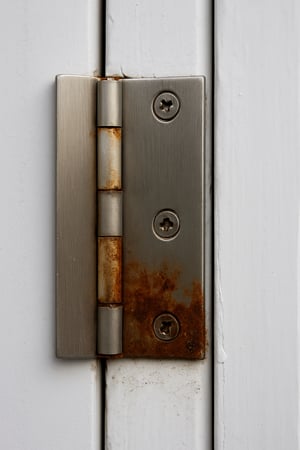
-
Door handles
-
Hinges
-
Outdoor fixtures
-
Cabinet hardware
-
Appliances
-
Railings
-
Grills
-
Outdoor kitchens
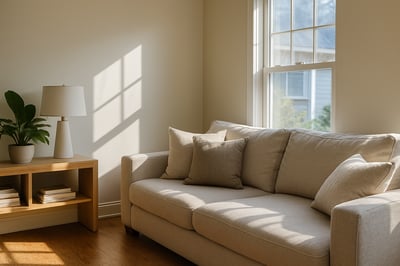
3. Intense UV Light
Florida sun fades, weakens, and breaks down:
-
Paint
-
Fabrics
-
Cabinets
-
Flooring
-
Outdoor finishes
UV protection is non-negotiable here.
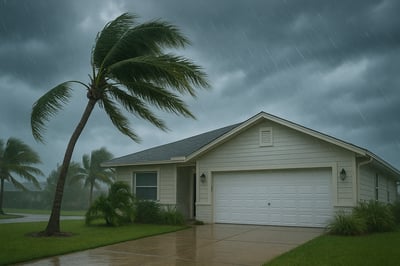
4. Hurricane-Season Weather
High winds and driving rain put pressure on:
-
Windows and doors
-
Rooflines
-
Exterior materials
-
Drainage systems
A Florida-proof design isn’t just about storm survival—
it’s about long-term comfort, energy efficiency, and material integrity.
Florida-Proof Remodeling: What to Choose (and What to Avoid)
Below is your room-by-room, material-by-material guide to remodeling in Florida in a way that holds up beautifully over time.
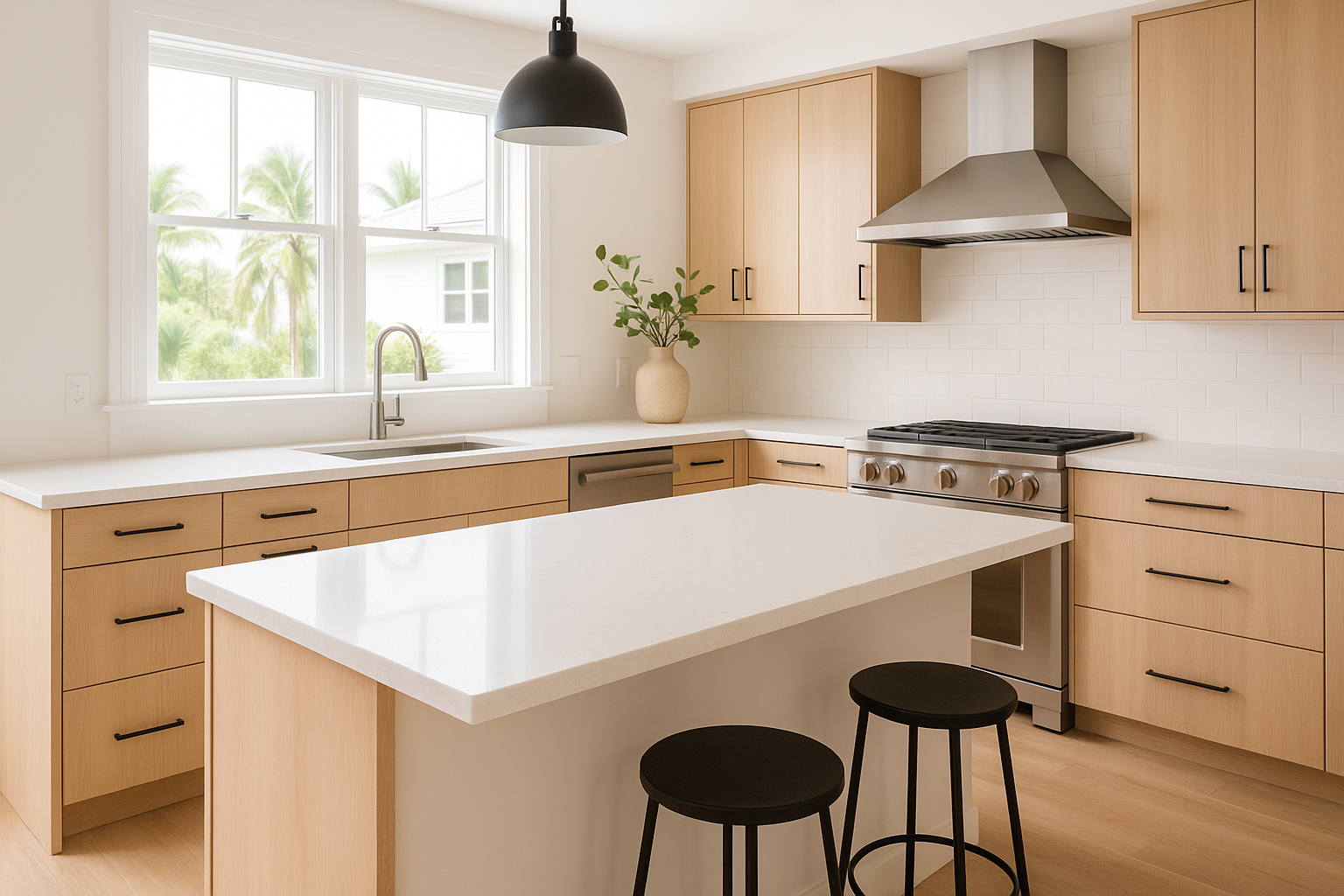
1. Cabinetry That Won’t Swell or Warp
Best Florida-Friendly Cabinet Materials
✔ Marine-grade plywood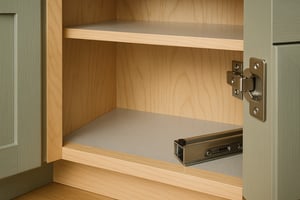
The gold standard. Highly stable, moisture-resistant, and durable.
✔ High-pressure laminate (HPL) interiors
Easy to clean, humidity-resistant, and long-lasting.
✔ Thermofoil fronts (on the right core)
Great for coastal humidity when sealed and engineered properly.
✔ Select hardwoods (fully sealed)
Maple or oak can work inland—but must be fully sealed and humidity-managed.
Cabinet Materials to Avoid
✘ Particleboard — expands and falls apart
✘ Low-grade MDF — swells quickly in humidity
✘ Unsealed wood interiors — mold risk + instability
Design Tip:
Lighter cabinet colors reflect UV better and feel brighter and more coastal in Florida homes.
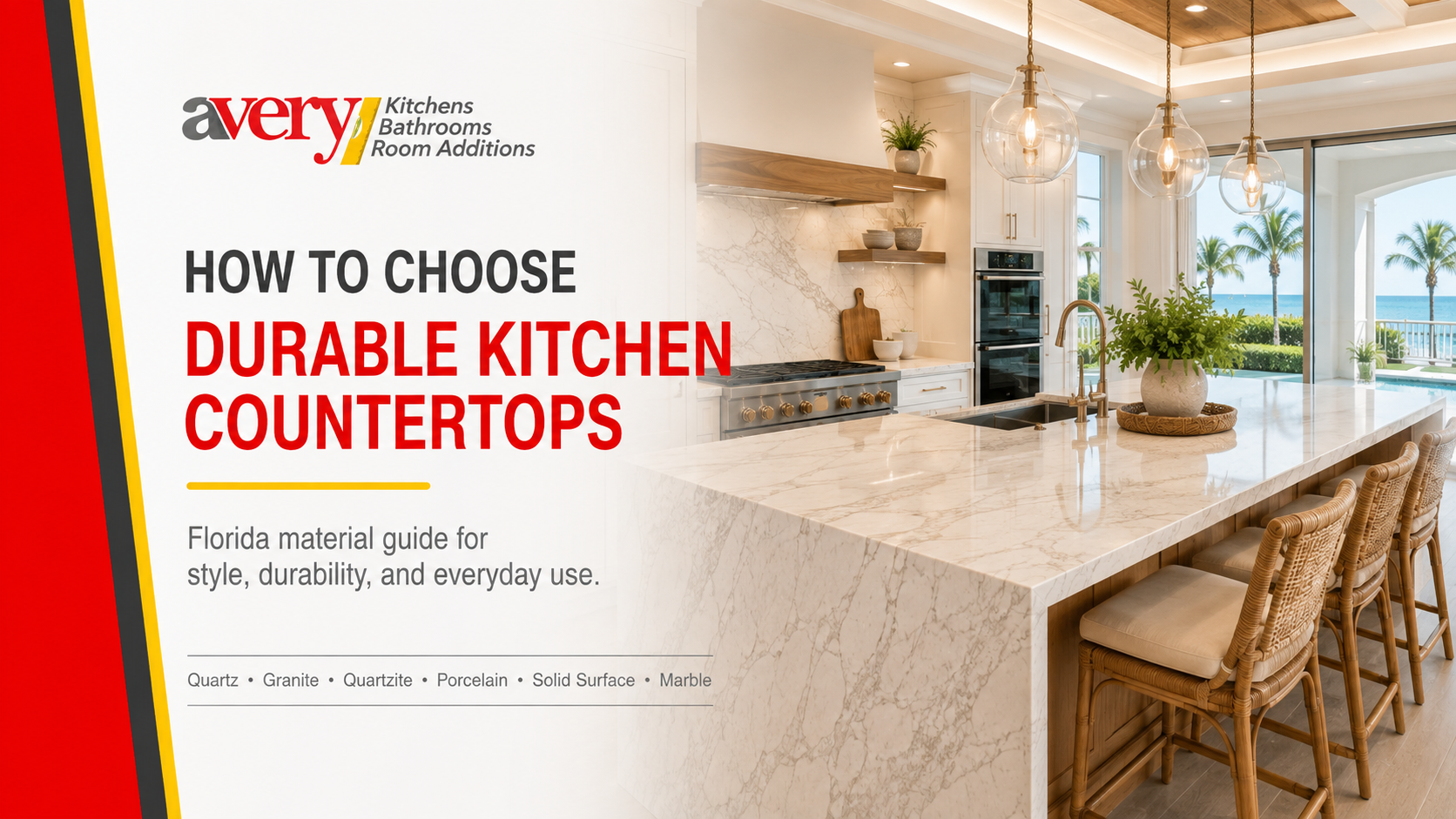
2. Flooring That Loves Humidity, Sand & Pets
Florida homes need flooring that withstands:
-
High humidity
-
Wet footprints
-
Beach sand
-
UV exposure
-
Kids & pets
-
Heavy traffic
Best Flooring Options
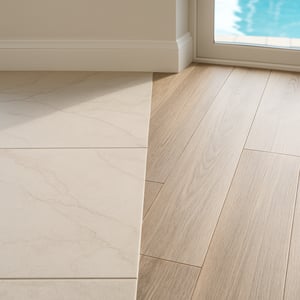 ✔ Luxury Vinyl Plank (LVP)
-
Waterproof
-
Quiet underfoot
-
Budget-friendly
-
Great coastal styles
✔ Porcelain Tile
-
Virtually indestructible
-
Coastal or modern look
-
UV and moisture resistant
✔ Engineered Hardwood
If you want wood, this is the only type safe for Florida.
Stable core, minimal movement, stunning finishes.
Flooring to Avoid
✘ Solid hardwood
✘ Cheap vinyl
✘ Laminate (bubbles easily)
✘ Carpet in high-traffic areas
3. Hardware & Metals That Resist Salt Air
Salt exposure is harsh—even for inland homes.
Best Choices
✔ Marine-grade stainless steel (316)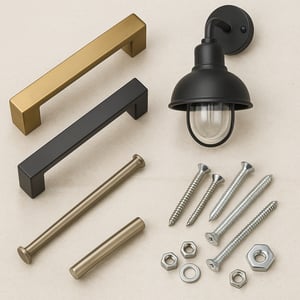
The absolute best for coastal durability.
✔ PVD-coated hardware
Extremely scratch-resistant & corrosion-resistant.
✔ Powder-coated metals
Ideal for exterior fixtures and railings.
Design Insight:
Black and brushed nickel finishes perform significantly better in Florida than polished finishes.
4. Paint & Finishes Designed for UV + Moisture
Most paint failures in Florida come from using formulas built for northern climates.
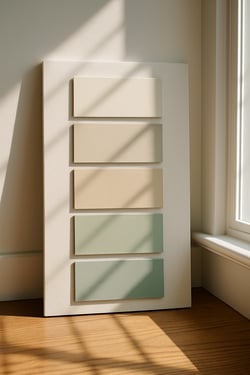 Interior Paint
✔ Acrylic latex with UV protection
✔ Mildew-resistant formulas for bath/kitchen/laundry
✔ Satin or semi-gloss in moisture rooms
Exterior Paint
✔ Elastomeric coatings (excellent moisture defense)
✔ UV-blocking primers to prevent fading
Color Tip:
Warm whites, sand tones, muted greens, and soft blues stay gorgeous in Florida’s intense natural light.
5. Moisture & Humidity Control (The Unsung Hero)
If you want your remodel to last 10–20 years, humidity management is crucial.
Consider adding:
✔ Whole-home dehumidifier
✔ Properly sized bath fans with humidity sensors
✔ Moisture-resistant drywall
✔ Upgraded insulation or radiant barriers
✔ Ventilated cabinet design around appliances
These upgrades aren’t glamorous, but they dramatically extend the life of your remodel.
6. Windows & Doors That Stand Up to Florida Weather
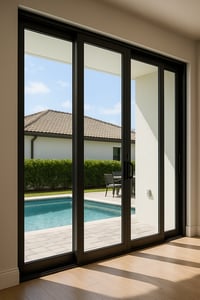 Most homeowners focus on impact ratings—but other features matter just as much.
Look for:
✔ Low-E glass (UV protection)
✔ Vinyl or fiberglass frames (humidity-stable)
✔ Impact-rated options (storm resilience)
✔ Black modern frames (coastal-contemporary trend)
✔ Wide multi-panel sliders (indoor-outdoor living)
Black frames are especially popular across Tampa Bay for their clean lines and versatility.
7. Outdoor Living Materials That Last
Outdoor spaces deteriorate the quickest—unless planned for Florida.
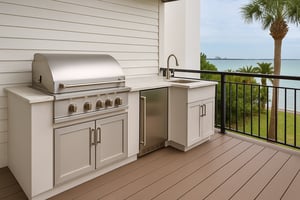 Best Outdoor Materials
✔ Porcelain countertops
✔ Composite decking
✔ Powder-coated aluminum structures
✔ Porcelain or sealed stone flooring
✔ Marine-grade appliances
Smart Outdoor Design Features
-
Shade structures
-
Proper drainage
-
Outdoor-rated fans
-
Corrosion-resistant lighting
Florida Design Aesthetics That Age Well
Here are the design styles trending across Tampa Bay that also handle Florida’s climate beautifully:
1. Coastal Modern
Light woods, whites, soft blue-green accents.
2. Tropical Minimalism
Clean lines, stone textures, natural light.
3. Bright Mediterranean
Creamy tones, arches, warm stone.
4. Outdoor-Integrated Living
Large sliders, seamless transitions, pool views.
The Long-Term Math: Why Florida-Proofing Saves Money
Choosing the wrong materials leads to:
-
Repainting every 2–3 years
-
Rusted hardware replacement
-
Warped cabinets or flooring
-
Mold remediation
-
Outdoor kitchen repairs
-
Fast deterioration of exterior spaces
A Florida-proof remodel often lasts 2–3x longer than a standard remodel, making it one of the most cost-effective investments you can make.
Why This Approach Works
This guide reflects what actually performs well in Tampa Bay homes—based on real-world experience, long-term durability, and Florida-specific building science.
When your remodel aligns with Florida’s climate, everything lasts longer, feels better, and requires less maintenance.
Ready to Florida-proof your home?
If you're planning a remodel and want help choosing materials that will stay strong and beautiful in Florida weather, we’d love to help.
👉 Book a free same-day estimate
👉 Or download the Florida-Proof Remodel Checklist below to get started.